
Explore Connect Discover
Annapurna Community Journey
Through Villages, Landscapes & Himalayan Culture
Overview
There is another way to experience the Annapurna region—not by rushing toward a high mountain destination, but by walking through the landscapes and communities that make the region what it is.
The name Annapurna comes from Sanskrit and means "full of grains." Traditionally revered as the Goddess of the Harvest and the Provider, Annapurna represents nourishment, abundance, and the sustaining power of nature.
Perhaps nowhere is this idea more visible than in the Annapurna region itself.
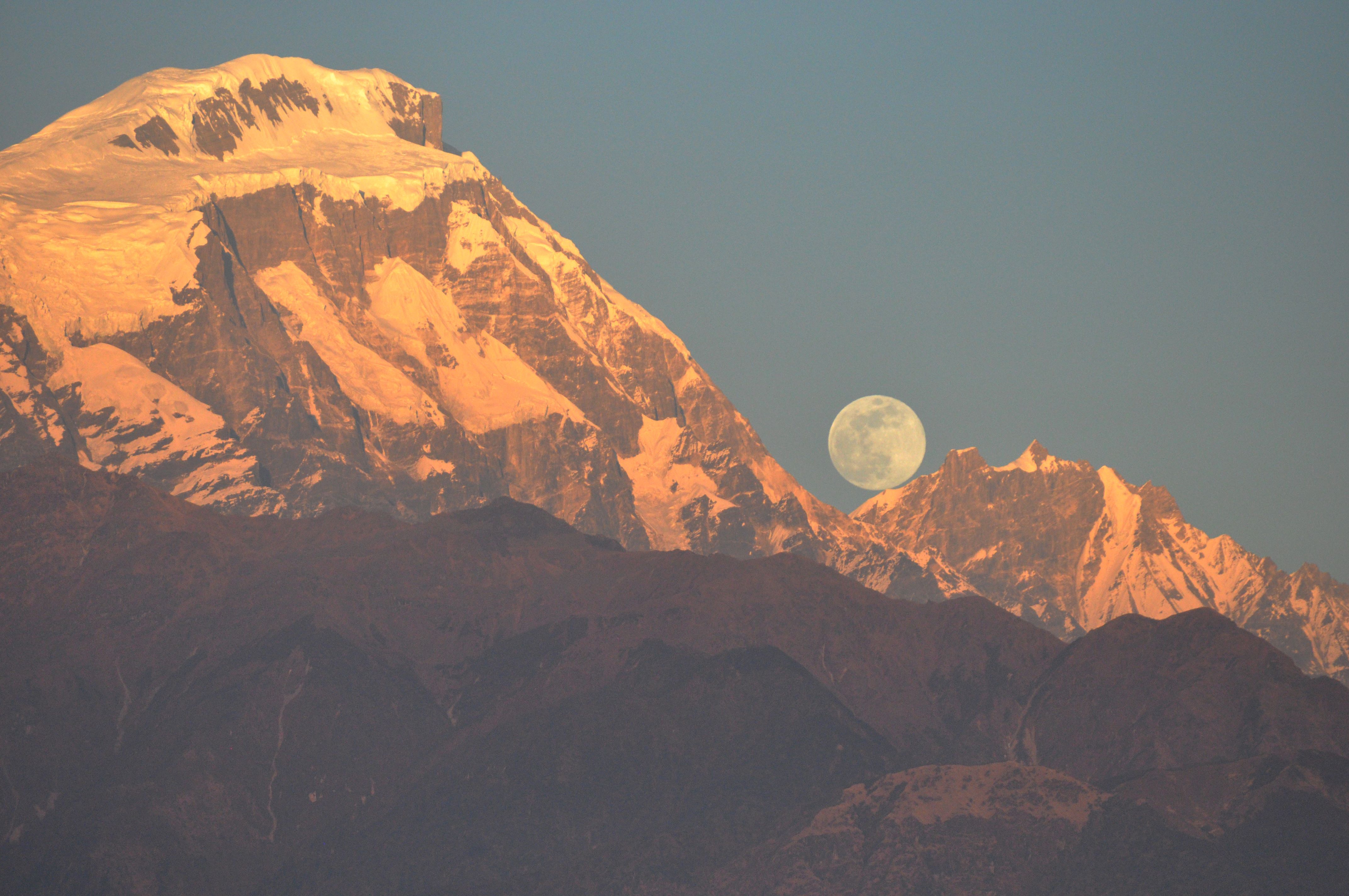
Within a dramatic landscape rising from around 1,000 meters to Annapurna I at 8,091 meters, the region moves through lush forests, terraced hillsides, river valleys, alpine landscapes, and the high Himalayas. This extraordinary change in elevation creates remarkable ecological diversity—from subtropical vegetation and rhododendron forests in the wetter south to dry alpine landscapes beyond the mountains.
Annapurna is also a landscape of living cultures. The Gurung, Magar, Thakali, Manangi, and Loba communities, among others, have developed distinctive ways of living within these varied environments. Their languages, traditions, beliefs, food, architecture, and relationship with the land are part of the living character of Annapurna.
This journey explores that relationship between people, place, and nature.
Starting in Kathmandu, we first experience the cultural heart of Nepal before traveling west towards Pokhara and into the Annapurna foothills. From the quiet mountain ridge of Mohare and the celebrated viewpoint of Poon Hill, the trail descends through Gurung communities such as Ghandruk and Landruk, continuing through forests, terraced hillsides, and mountain settlements towards Pothana and Australian Camp.
Along the way, there is time to walk, observe, meet people, taste local food, learn about traditional ways of life, and simply appreciate the changing landscape.
This is Annapurna as a living landscape, not simply a mountain destination.
Highlights
The key moments, landscapes, and cultural encounters of this journey.
Price
Ready to Experience the Annapurna Community Journey?
This is a customizable community-based journey, and the final cost depends on group size, accommodation, transportation, season, and any requested changes to the itinerary.
Let's design the journey around your interests, available time, and preferred pace.
Preparation
Our journeys are led by experienced local guides, with route planning and pacing adapted to the group, season and trail conditions.
The Annapurna Community Journey remains at considerably lower elevations than high-altitude routes such as Annapurna Base Camp, but mountain weather and trail conditions can change quickly. We maintain flexibility to adjust the route when necessary.
Community & Sustainability
For Mountain Mandala, the community is not simply something to see along the way. It is part of the journey.
Wherever possible, we work with local guides, hosts, food providers, and community-based accommodation, helping keep the benefits of tourism within the communities that make the journey possible.
Depending on the route and season, travelers may have opportunities to:
- Stay in locally operated accommodation
- Share locally prepared meals
- Learn about traditional farming and village life
- Meet local hosts and community members
- Observe traditional architecture and everyday practices
- Learn about local relationships with forests, land and water
- Support locally owned tourism services
We encourage respectful travel—listening before interpreting, observing before judging, and engaging with communities on their own terms.
FAQs
Frequently asked questions about route preparation, altitude, permits, and travel details.