
Explore Connect Discover
Pikey Peak Trek
Pikey Peak with Great View of Mt Everest. A Himalayan panorama without the crowds.

Overview
Pikey Peak — Himalayan Panorama & Sherpa Culture
The Pikey Peak Trek is an off-the-beaten-path journey through the lower Solukhumbu Himalaya, combining spectacular mountain views with Sherpa and Rai culture, Buddhist monasteries, forests, and traditional mountain villages.
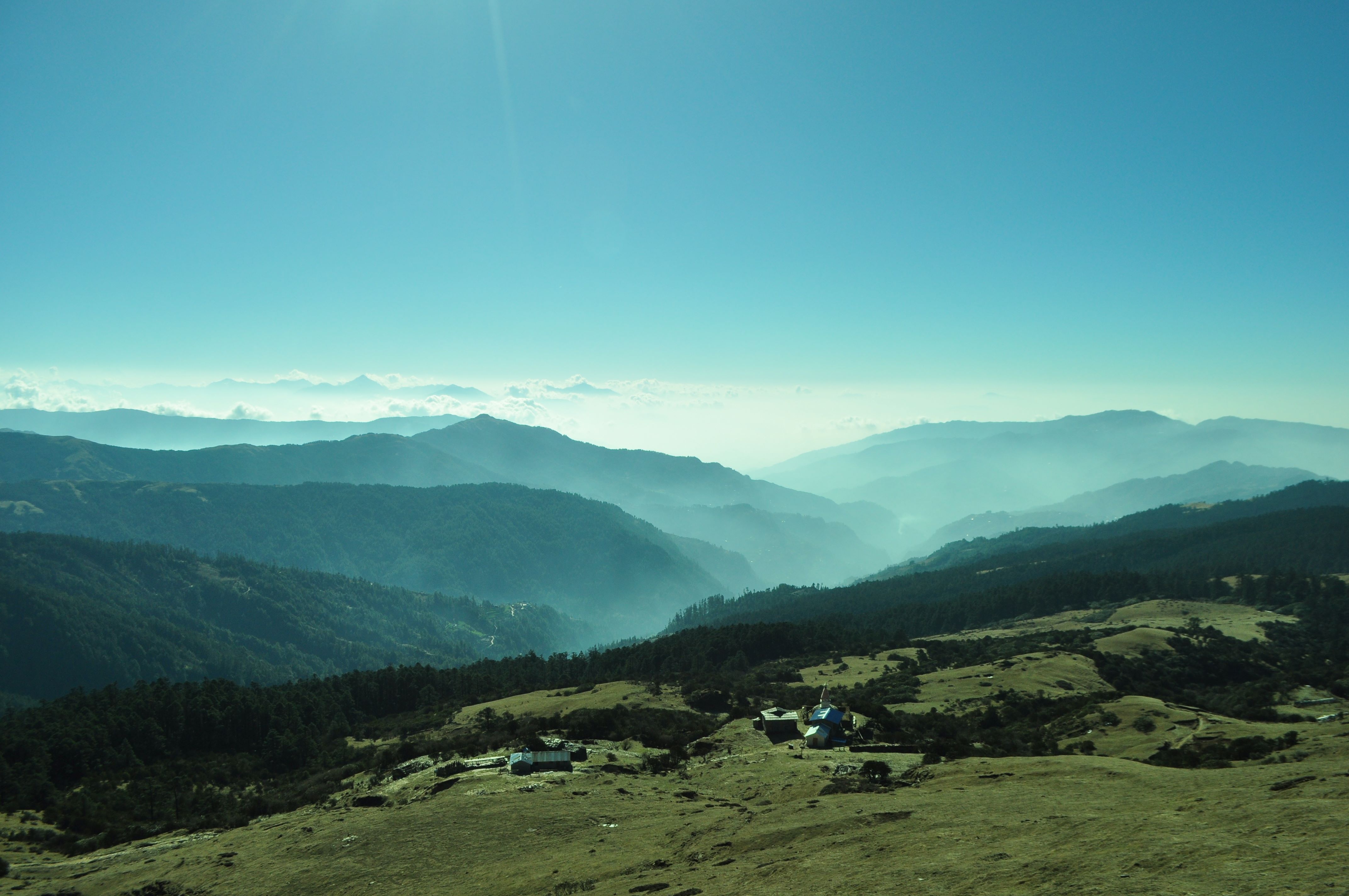 its summit offers one of the finest panoramic views of the Himalayas. On a clear day, the vista stretches across Everest, Lhotse, Makalu, Kanchenjunga, Gauri Shankar, Numbur, Mera, Thamserku, and many other Himalayan peaks.
The trail passes through rhododendron, oak, and pine forests, traditional settlements, high pastures, and ancient monasteries, offering a quieter and more intimate experience of the Solukhumbu region.
What Makes Pikey Peak Different?
A Himalayan panorama without the crowds. Pikey Peak brings together spectacular mountain views, sacred landscapes, Sherpa and Rai communities, Buddhist heritage, forests, and highland ecology in one relatively compact journey.
Rather than simply trekking toward a viewpoint, the journey allows travelers to experience Solukhumbu as a living Himalayan landscape—through its mountains, people, forests, beliefs, and everyday life.
Highlights
Itinerary
-
Day 01: Arrival
On the day of your arrival, we will be there to pick you up from the airport and check you into your hotel. After that,... -
Day 02: Kathmandu - Trek preparation
On the second day, we will rise early and have breakfast, and the tour guide will brief you on your travel plans. Then w... -
Day 03: Kathmandu to Dhap (2900 m), 6-8 hours
Dhap is a hill station in the lower Himalayan range. From the top of Dhap, you will see a beautiful sunset. The drive ta... -
Day 04: Dhap to Jhapre (2930 m), 4-5 hours
From Dhap, we follow the trail to Jhapre. Today is an easy walking day. En route, we will taste local products, experien... -
Day 05: Jhapre to Pikey Peak Base Camp (3600 m): 6-7 hours
We trek from Jhapre to Pike Peak Base (3600 m) by ascending and descending a steep forest with majestic mountains and su... -
Day 06: Pikey Peak Base Camp to Jase Bhanjyang
Before sunrise, we will climb for around 1 hour to reach Pikey Peak. With an incredible view of Mount Everest, Makalu, K... -
Day 07: Jase Bhanjayang to Junbesi (2932 m)
After breakfast, we will continue our journey through the forest. Later we will walk in the meadow. We will have lunch a... -
Day 08: Junbesi - Phaplu
We continue our walk until we reach Phaplu. Phalplu is a major town in Solukhumbu and eastern Nepal. -
Day 09: Rest day, Phaplu / Drive to Okhaldhunga
Phaplu, a mountainous village in northeast Nepal, is a gateway for the Everest Base Camp Trek. We will explore and visit... -
Day 10: Drive from Phaplu to Kathmandu (8–10 hours) or a 25-minute scenic flight
Subject to availability, we can take a 25-minute scenic flight back to Kathmandu. The road journey will take around 8-10... -
Day 11: Kathmandu
Rest Day. Free day. In the evening, we will have a farewell dinner to celebrate your beautiful journey with us. &nb... -
Day 12: Onwards
On the day of departure, we will help you get to the airport 3 hours before your flight time. Hopefully, this won't be t...
Day 1: Arrival
On the day of your arrival, we will be there to pick you up from the airport and check you into your hotel. After that, you can take a rest, as you will probably be tired because of the long flight. If you arrive early, after taking some rest, you can walk around the places near your hotel and freshen up.
Day 2: Kathmandu - Trek preparation
On the second day, we will rise early and have breakfast, and the tour guide will brief you on your travel plans. Then we will begin our journey. We will first go to Swayambhu Maha Chaitya. We will arrange all the required travel permits before we head to explore Patan Darwar Square.
Day 3: Kathmandu to Dhap (2900 m), 6-8 hours
Dhap is a hill station in the lower Himalayan range. From the top of Dhap, you will see a beautiful sunset. The drive takes around 8 hours from Kathmandu. Passing views
We will drive along the Sunkoshi River till Ghurmi and then start ascending. The beautiful small hamlets, vehicles, the countryside, forests, and hilly roads connecting rivers will reach the top of the hill. The cool breeze and mountains welcome you to Dhap.
In the evening, climb to the viewpoint to enjoy spectacular mountain ecology.
Day 4: Dhap to Jhapre (2930 m), 4-5 hours
From Dhap, we follow the trail to Jhapre. Today is an easy walking day. En route, we will taste local products, experience rural life, and see the majestic mountains and surrounding hills.
There are Buddhist monasteries along the trail where Buddhism is practised.
Day 5: Jhapre to Pikey Peak Base Camp (3600 m): 6-7 hours
We trek from Jhapre to Pike Peak Base (3600 m) by ascending and descending a steep forest with majestic mountains and surrounding hills.
We will enjoy the natural landscapes in the evening.
Day 6: Pikey Peak Base Camp to Jase Bhanjyang
Before sunrise, we will climb for around 1 hour to reach Pikey Peak. With an incredible view of Mount Everest, Makalu, Kanchenjunga, Gauri Shankar, and other mountains, the sunrise and changing reflections add the magic that will remain forever in our memories.
We'll have breakfast at Pikey Base Camp. After breakfast, we will be able to follow various return points according to our available days and travel itinerary.
Day 7: Jase Bhanjayang to Junbesi (2932 m)
After breakfast, we will continue our journey through the forest. Later we will walk in the meadow. We will have lunch at Taktor. After lunch, we will continue our journey toward Junbesi by the wide dirt road. Before reaching Junbesi, we visit Thupten Choling Monastery.
Day 8: Junbesi - Phaplu
We continue our walk until we reach Phaplu. Phalplu is a major town in Solukhumbu and eastern Nepal.
After breakfast, we will descend a dusty trail to cross the Junbesi Khola (river). From here we will reach Beni Ghat. We will continue to Phaplu. Alternatively, we can catch an early vehicle so we can enjoy local cuisine and drink.
Day 9: Rest day, Phaplu / Drive to Okhaldhunga
Phaplu, a mountainous village in northeast Nepal, is a gateway for the Everest Base Camp Trek. We will explore and visit Chiwong Monastery. In Chiwong Monastery annual Mani Rimdu festival is celebrated on the full moon night of the 9th month of the Tibetan Lunar calendar
Day 10: Drive from Phaplu to Kathmandu (8–10 hours) or a 25-minute scenic flight
Subject to availability, we can take a 25-minute scenic flight back to Kathmandu. The road journey will take around 8-10 hours. From Dhap the way back is the same as the one we took to reach Dhap.
Alternatively, we could return via Jiri. The newly maintained Jeep track will take you to the sleepy, majestic town of Jiri, once a gate to Everest and popularly known as the Switzerland of Nepal. (An additional day is required.)
Day 11: Kathmandu
Rest Day. Free day. In the evening, we will have a farewell dinner to celebrate your beautiful journey with us.
Day 12: Onwards
On the day of departure, we will help you get to the airport 3 hours before your flight time. Hopefully, this won't be the end of the journey, and we will see you again in the future.
Price
Price: To provide an accurate or approximate quotation, we need a few details about your trip, including the number of travelers, preferred accommodation category, mode of transportation (flight, bus, jeep, etc.), and any changes or customizations to the itinerary. Please share these details with us, and we will get back to you with a quotation.
- Airport pickup and drop-off in Kathmandu
- Hotel accommodation in Kathmandu as per the itinerary
- Teahouse accommodation during the trek
- Breakfast in Kathmandu and breakfast, lunch, and dinner during the trek
- Experienced, licensed English-speaking trekking guide
- Porter service, with appropriate porter-to-guest ratio
- Guide and porter accommodation, meals, salary, and insurance
- Trekking permits and required local permits
- Ground transportation as outlined in the itinerary
- Kathmandu sightseeing and entrance fees as specified in the program
- Trekking map and basic first-aid support
- Government taxes and applicable service charges
- Farewell dinner in Kathmandu
- International flights
- Nepal entry visa
- Travel and medical insurance
- Personal trekking equipment and clothing
- Personal expenses, snacks, bottled drinks, and alcoholic beverages
- Hot showers, Wi-Fi, charging, and other optional teahouse services
- Emergency evacuation or medical expenses
- Tips for guides, porters, and other staff
- Meals and accommodation outside the stated itinerary
- Domestic flight between Phaplu and Kathmandu, if chosen
- Any additional costs caused by flight cancellations, delays, road closures, weather, natural events, or itinerary changes beyond Mountain Mandala's control
- Anything not specifically mentioned under What's Included
Preparation
Pikey Peak reaches 4,065 m, making gradual acclimatization and appropriate preparation important.
- The trek involves several hours of walking on uneven and sometimes steep trails.
- Mountain weather can change rapidly, particularly around the higher elevations.
- Appropriate layers, waterproof clothing, trekking footwear, and sun protection are essential.
- Our itinerary allows a gradual increase in altitude.
- Weather, trail, transport, and flight conditions may require adjustments to the itinerary.
- Participants should have a reasonable level of fitness and be comfortable with consecutive days of walking.
Community & Sustainability
Pikey Peak is a landscape where mountains, communities, forests, and spiritual traditions remain closely connected. Our journeys aim to support the communities along the trail while encouraging respectful and responsible travel.
- Stay in locally operated teahouses and lodges.
- Work with local guides and service providers.
- Respect monasteries, sacred sites, and local customs.
- Support local products and community-based services.
- Minimize plastic and trekking waste.
- Stay on established trails and avoid disturbing wildlife.
- Respect local communities when photographing people or cultural activities.
FAQs
How difficult is the Pikey Peak Trek?
Pikey Peak is a moderate trek suitable for people with a reasonable level of fitness. The trail includes several uphill and downhill sections, with the highest point reaching 4,065 m.
Do I need previous trekking experience?
No. Previous high-altitude trekking experience is helpful but not essential. Regular walking and some preparation before the trek are recommended.
What is the best time to trek Pikey Peak?
The best seasons are spring (March–May) and autumn (September–November), when the weather is generally favourable and mountain visibility is often excellent.
Can I see Mount Everest from Pikey Peak?
Yes. Mount Everest is one of the major highlights of the Pikey Peak viewpoint. On clear days, the panorama extends across several major Himalayan ranges and peaks.
Is Pikey Peak crowded?
Compared with the major Everest trekking routes, Pikey Peak is relatively quiet and less travelled, making it a good choice for travellers seeking a more peaceful Himalayan experience.
What is special about Pikey Peak culturally?
Pikey Peak is regarded as a sacred local Sherpa deity. The journey also passes through Sherpa and Rai communities, Buddhist monasteries, and traditional mountain settlements.
Which monasteries can I visit?
The route includes opportunities to visit Thupten Chholing Monastery and Chiwong Monastery, depending on the itinerary. Chiwong is also associated with the annual Mani Rimdu celebration.
What type of accommodation is available?
Accommodation during the trek is primarily in local teahouses and lodges. Facilities are simple, particularly at higher elevations, but they provide an opportunity to experience local hospitality.
Can the itinerary be customized?
Yes. Mountain Mandala can adapt the journey according to available time, interests, fitness level, and preferred return route. The trek can also be combined with cultural, educational, or research-focused experiences.
Is the Pikey Peak Trek suitable for educational or experiential programs?
Yes. Its combination of mountain ecology, biodiversity, Sherpa and Rai culture, Buddhist heritage, traditional livelihoods, and landscape observation makes it suitable for experiential learning and field-based programs