Overview
Far
West Nepal is a land of remarkable contrasts. This journey takes us from the
warm grasslands and wetlands of the Terai to the forested hills and open patans
of the highlands, connecting two very different landscapes through one of
Nepal's less-travelled regions.
Beginning
in Dhangadhi, we explore Shuklaphanta National Park, known for its vast
grasslands, wetlands, forests and rich wildlife, particularly its large herds
of swamp deer. The park is also home to a variety of birds and animals.
Here,alongside landscape we experience the Rana Tharu community,
whose distinctive traditions, music, cuisine and close relationship with nature
add an important cultural dimension to the journey.
From
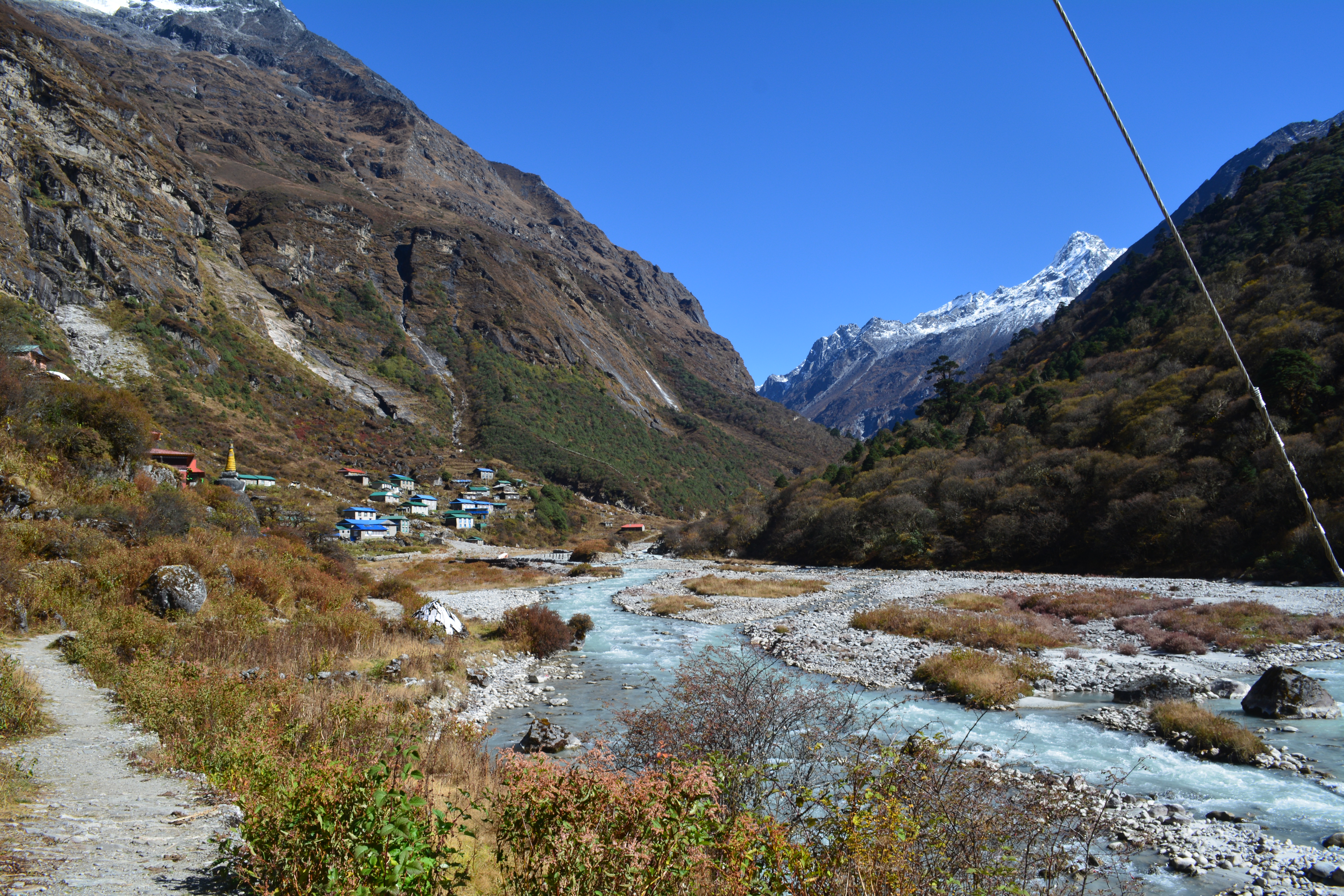
the Terai, the journey gradually climbs through the hills of Far West
Nepal, passing small settlements, forests and changing landscapes. The winding
road becomes part of the adventure as the warm plains give way to cooler
mountain environments and eventually to Khaptad National Park, Nepal's
distinctive mid-mountain highland landscape.
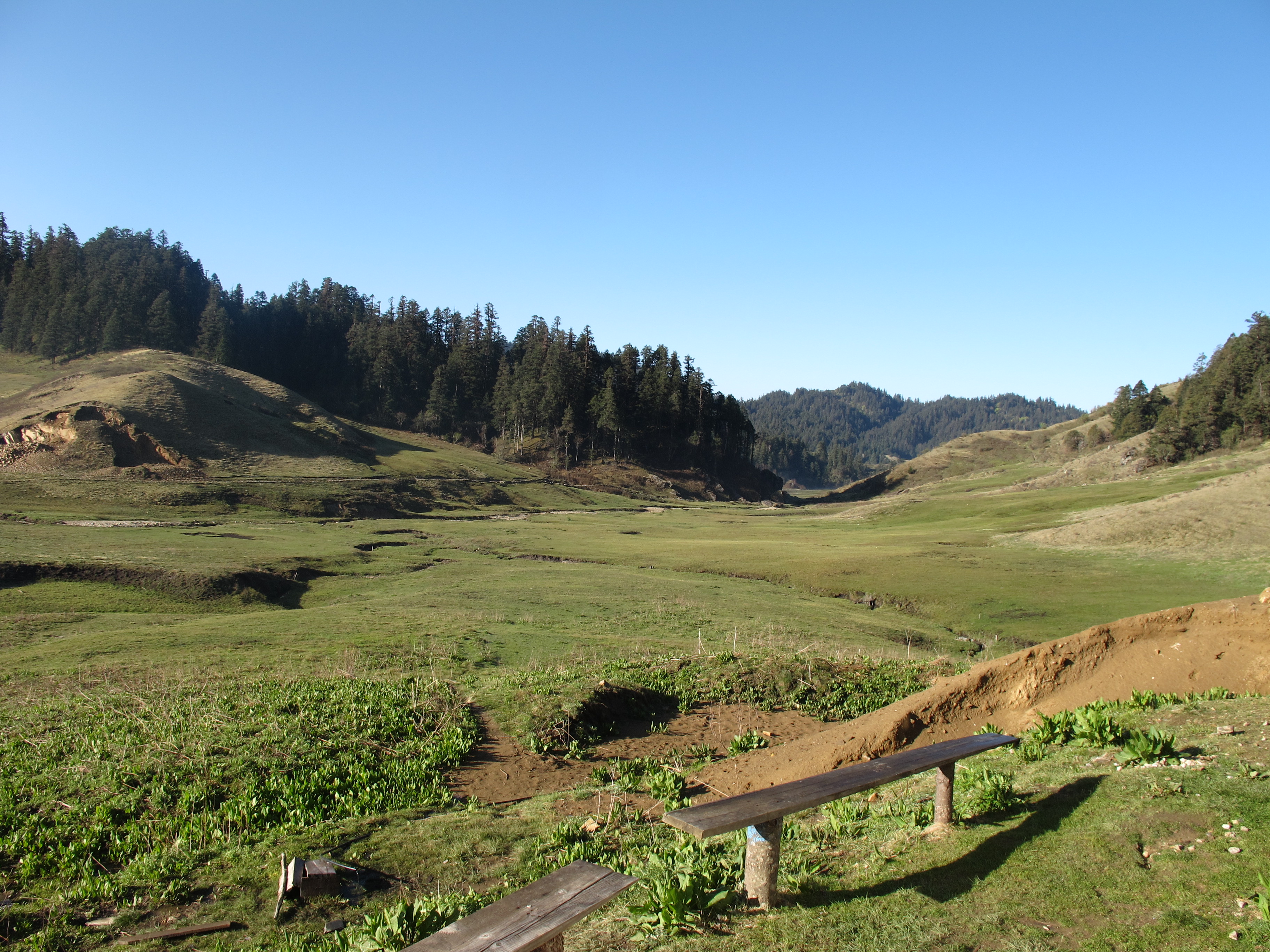
At
around 3,000 metres, Khaptad opens into broad patans surrounded
by forests of rhododendron, oak, fir, yew and bamboo. Wildflowers, medicinal
plants, birds and wildlife make it a rich ecosystem, while local communities
traditionally use the patans as seasonal pastureland. The landscape
offers an opportunity to learn not only about nature and biodiversity, but also
about the knowledge and ways of life connected to it.
Khaptad
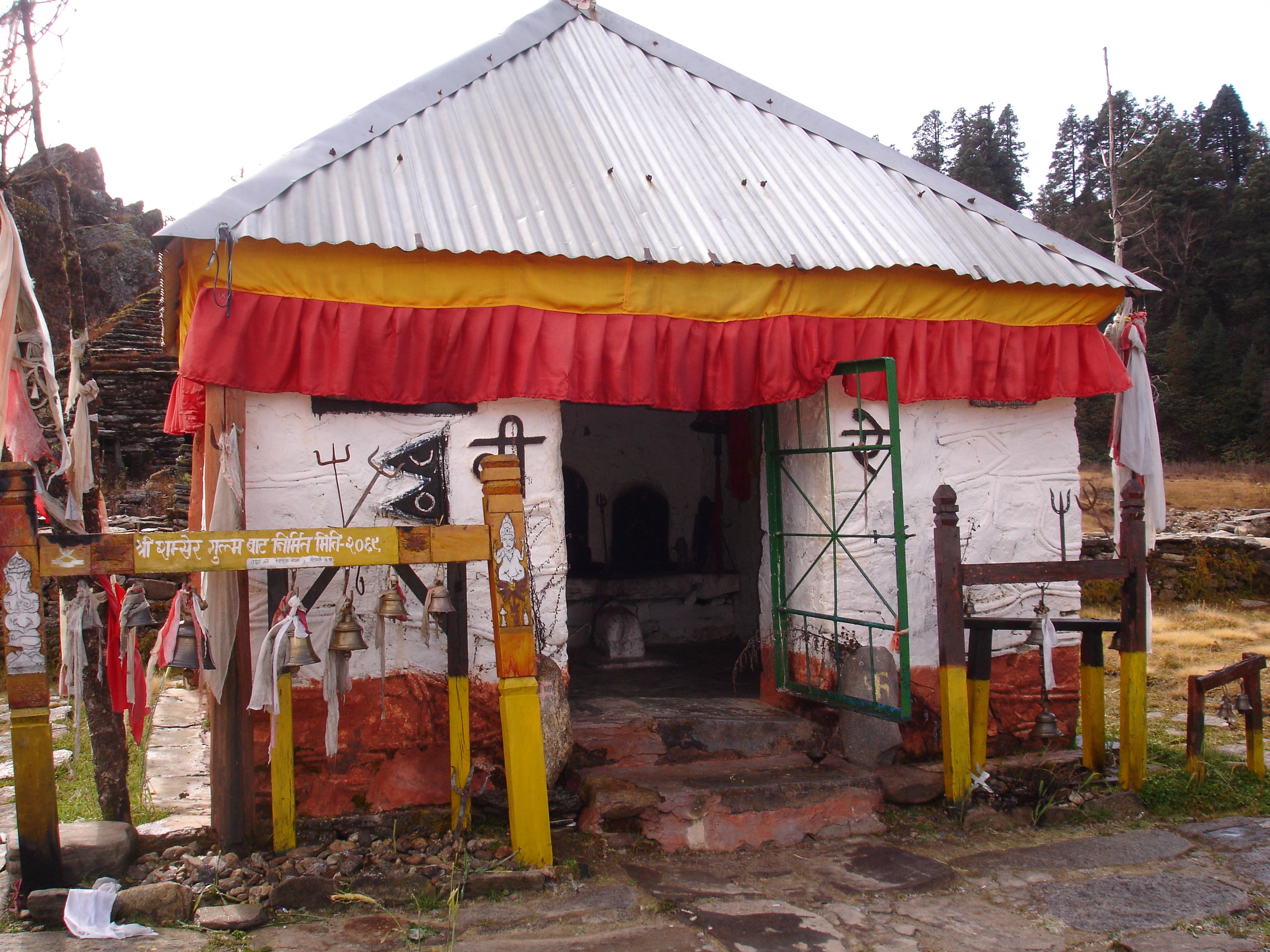
is also a place of pilgrimage, meditation and reflection. It is closely
associated with Tribeni temple and Khaptad Baba, who spent many
years meditating here, while places such as Tribeni and Khaptad Daha carry
religious significance. Away from busy roads and crowded attractions, its
forests, open meadows, changing weather and quiet trails invite us to walk,
observe, listen and spend time with nature.
From
the grasslands of Shuklaphanta to the highland patans of Khaptad, this
is a journey of adventure, discovery
and learning. An experience of wildlife, culture and changing landscapes, with
time to slow down, connect with nature and reflect within. Walk, observe and connect with nature from the quiet open
Patan and forests of Khaptad to the jungle trails and expansive grasslands of
Shuklaphanta, experienced on foot and by jeep safari.
Landscape & Places
Khaptad National Park is a distinctive
mid-mountain landscape of forests, open highlands and 22 grasslands known as
Patan. The Patans are grazing grounds for domestic animals and
wildlife. With seasonal flowers, gazing wildlife, rich plants and
birdlife the surrounding forests create a charming atmosphere. A paradise high
above the clouds. From here the full range of Api and Saipal mountain
ranges are seen. Khaptad is sacred meditation sites for peace, stillness and
positive influences.
Shuklaphanta National Park in the lowlands presents a strikingly
different landscape of vast grasslands surrounded by sal forests, wetlands and
riverine areas. Its Shuklaphanta grassland, covering around 34 square
kilometres, is Nepal's largest grassland. The expansive phantas
provide important habitat for herds of swamp deer, Bengal tiger,
Asian wild elephant, one-horned rhinoceros and birds and other wildlife.
The Jeep safari across these open grasslands offers a memorable way to
experience the open horizon.
Culture & Local
Life
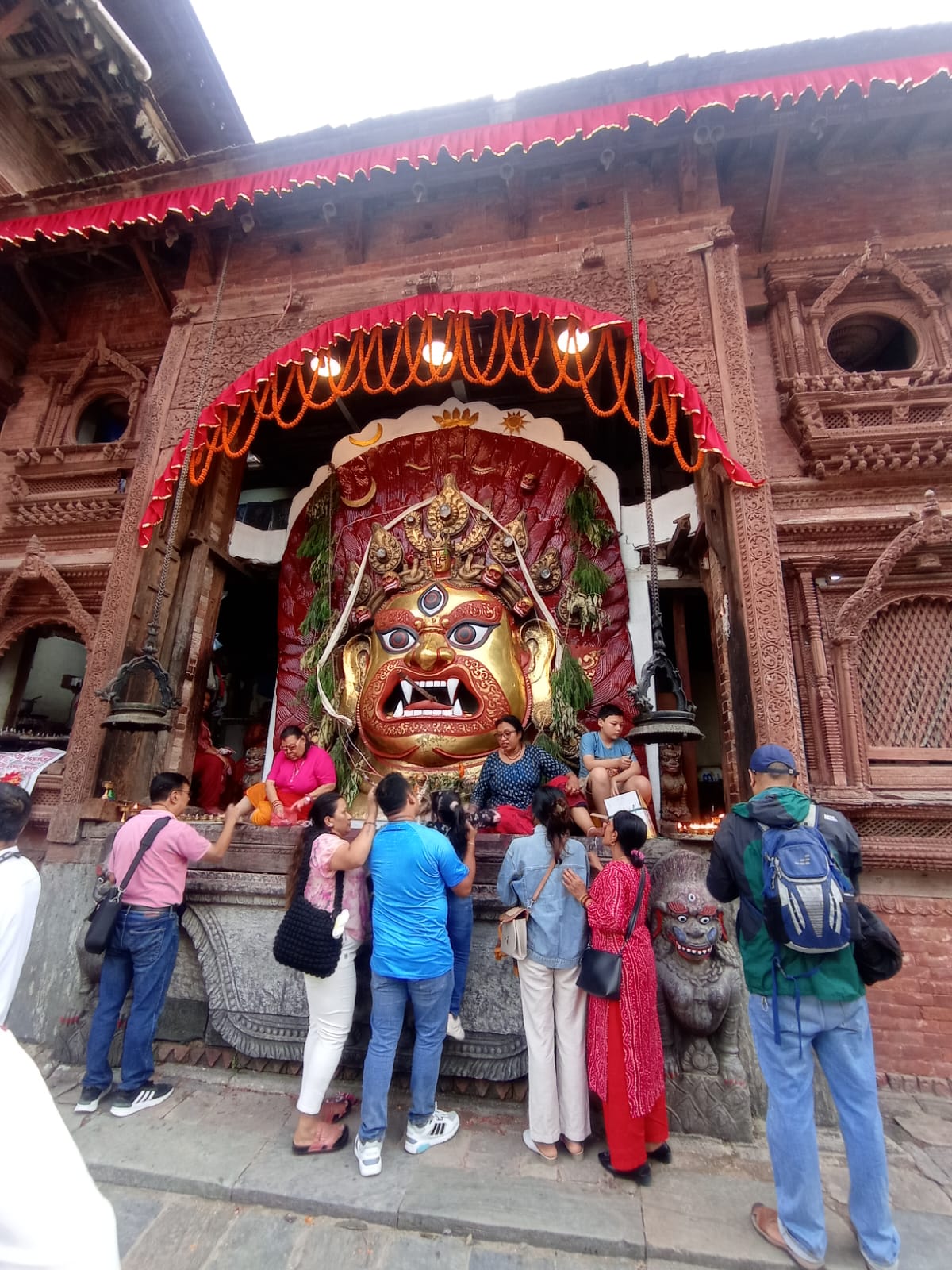
This journey offers an opportunity to experience the diverse cultures and
ways of life of Far-Western Nepal. Around Khaptad, traditional
livelihoods, seasonal grazing and local knowledge remain closely connected with
the highland landscape, while the area's sacred places reflect a long tradition
of spirituality and pilgrimage.
In the Terai, Tharu communities have developed a close
relationship with the forests, grasslands and rivers of the region. Their
traditions, knowledge of the landscape and ways of living add another dimension
to the journey, showing how people and nature have shaped one another over
generations.
Nature & Wildlife
Khaptad and Shuklaphanta reveal two contrasting worlds of nature.
Khaptad's open patans, forests and highland habitats support a rich variety of
medicinal and flowering plants, birds and mountain wildlife. Down in the Terai,
the extensive grasslands, forests and wetlands of Shuklaphanta provide habitat
for swamp deer, Bengal tiger, Asian wild elephant, one-horned rhinoceros and
diverse birdlife.
Route Maps, Difficulty & Safety Preparation
Gallery