Overview
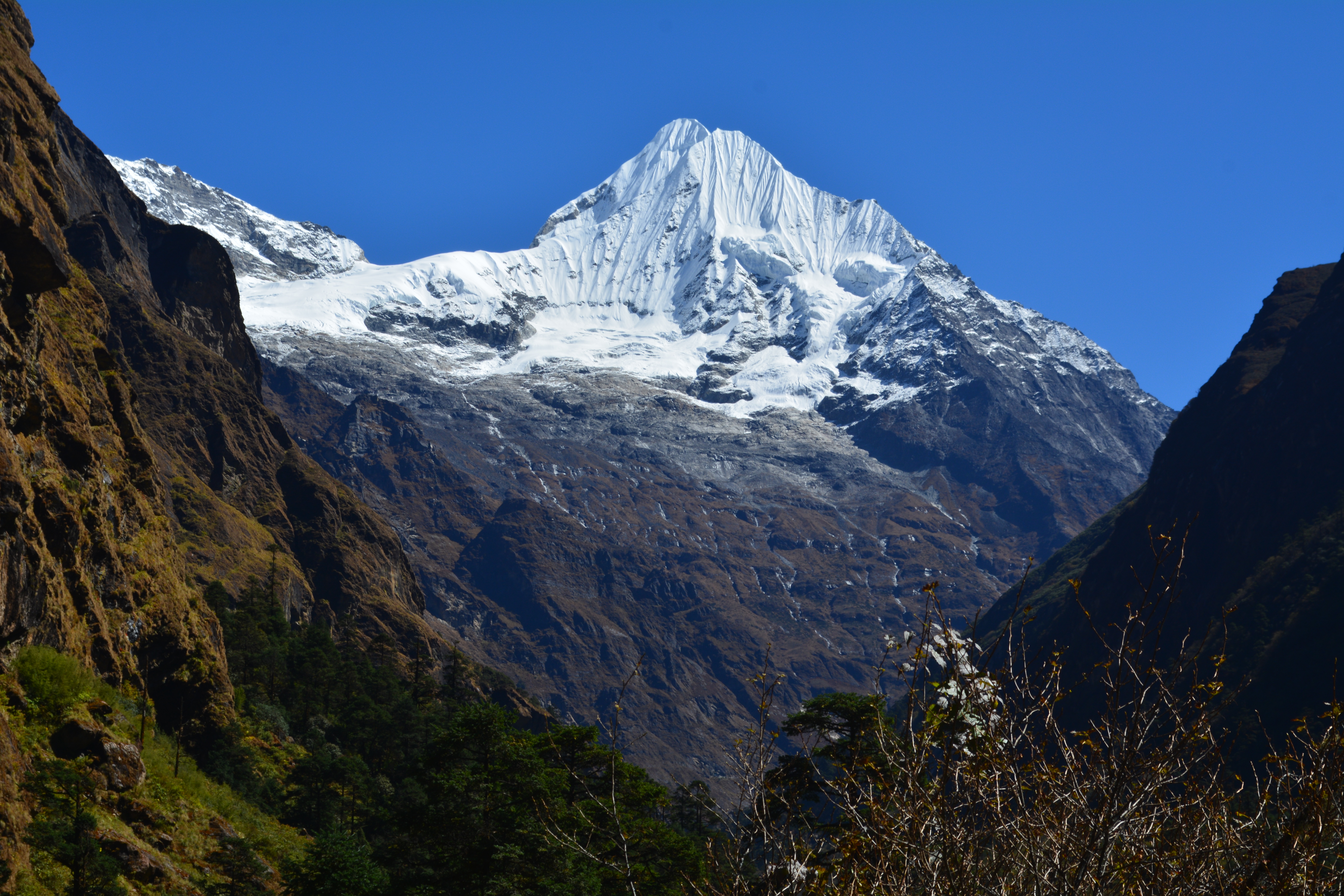
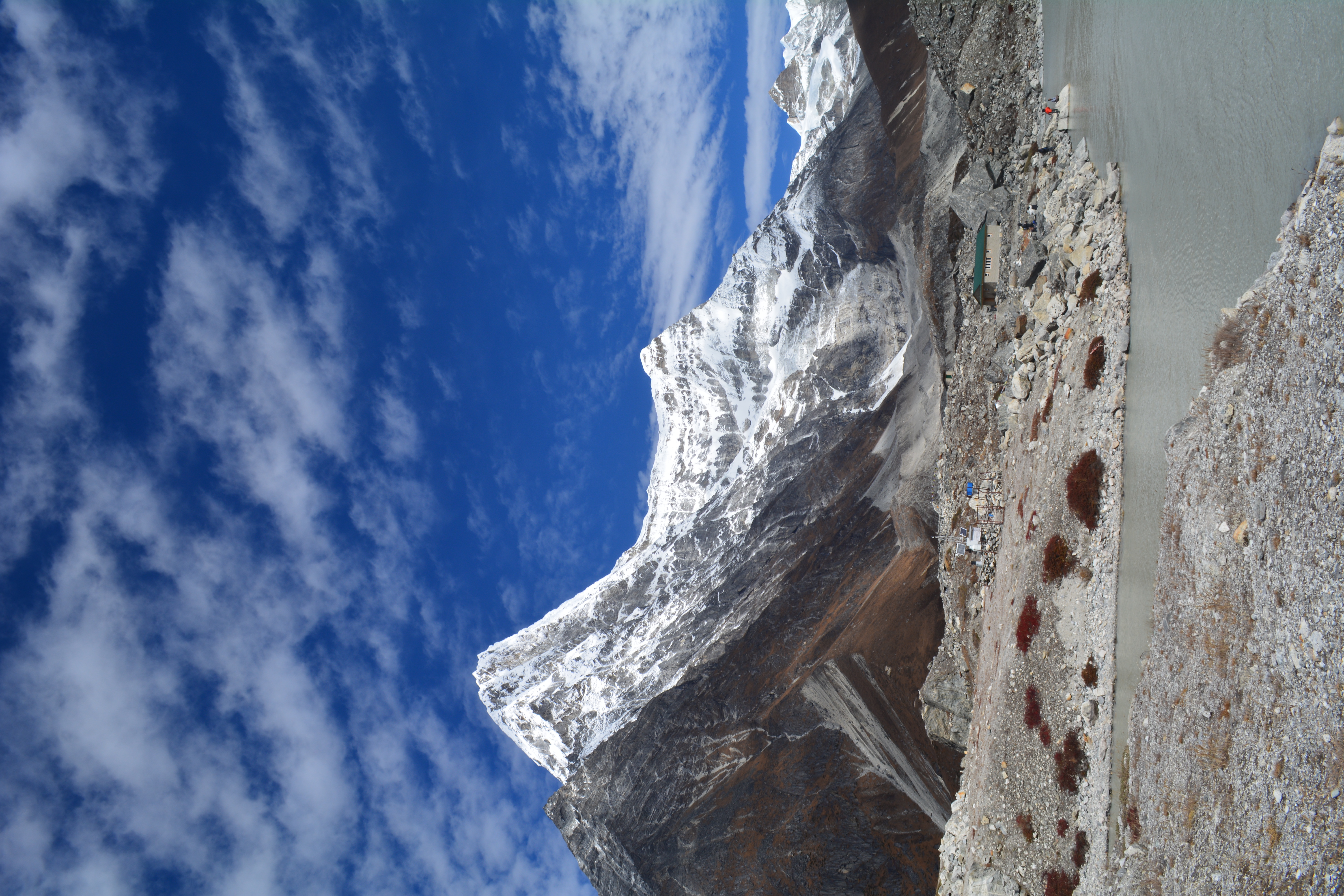
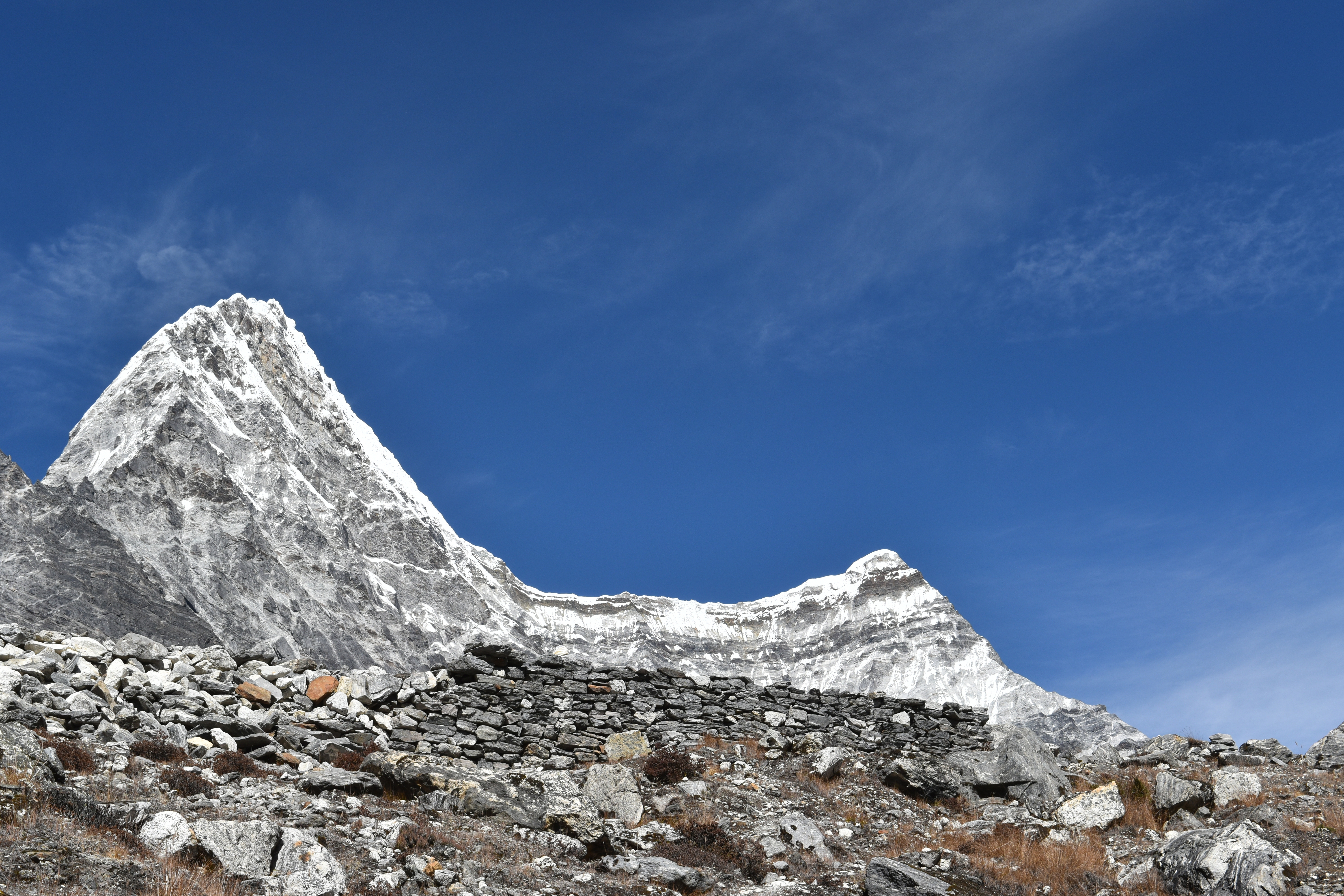
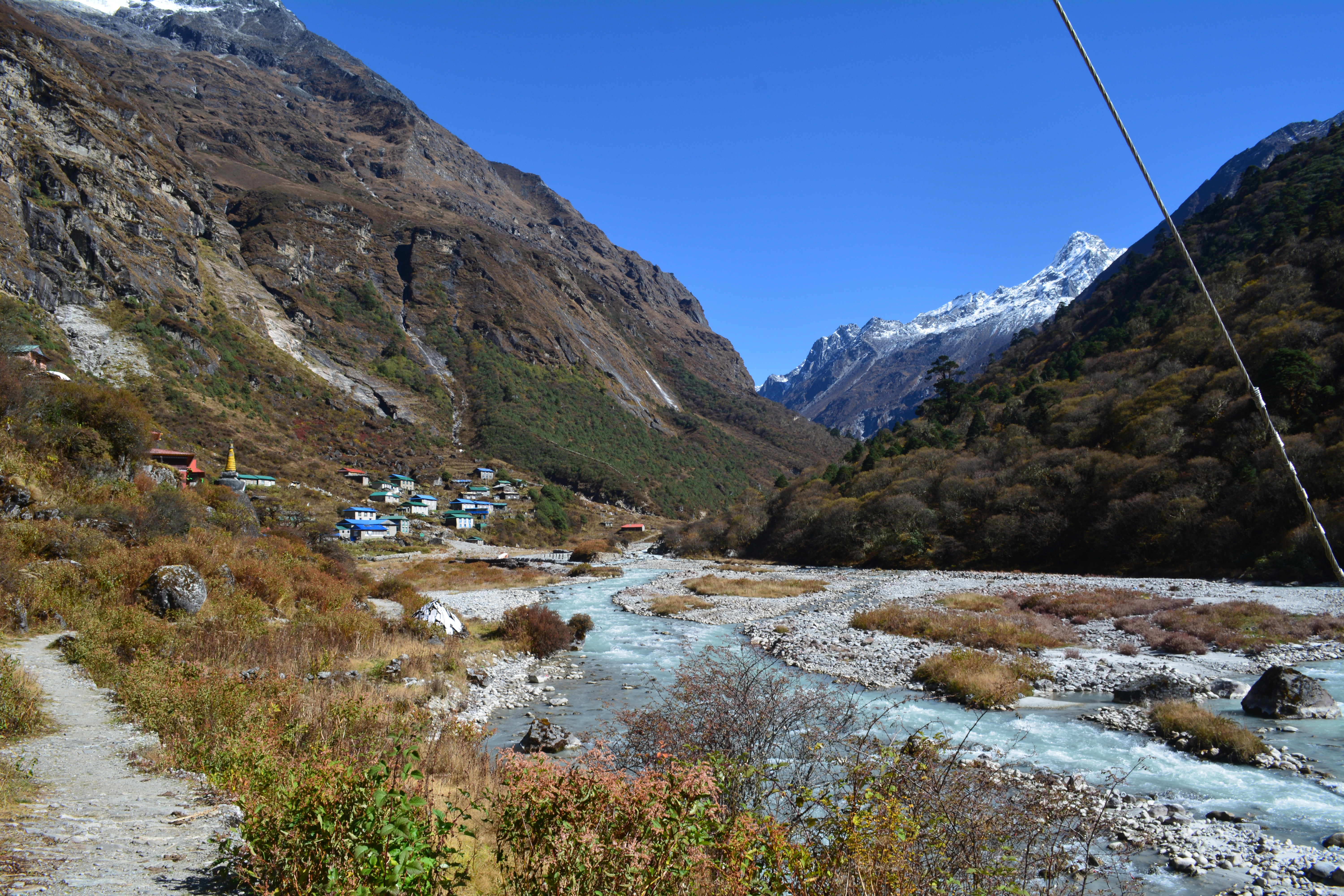
Rolwaling Valley is a inner-Himalayan valley in the Gaurishankar Conservation Area, known for its dramatic mountain landscapes, alpine lakes, high pastures, waterfalls, glaciers, and Himalayan culture, and Sherpa people. "Rolwaling" means like a "valley carved by a plow," reflecting it's distinctive shape of its deep valley and surrounding cliffs.
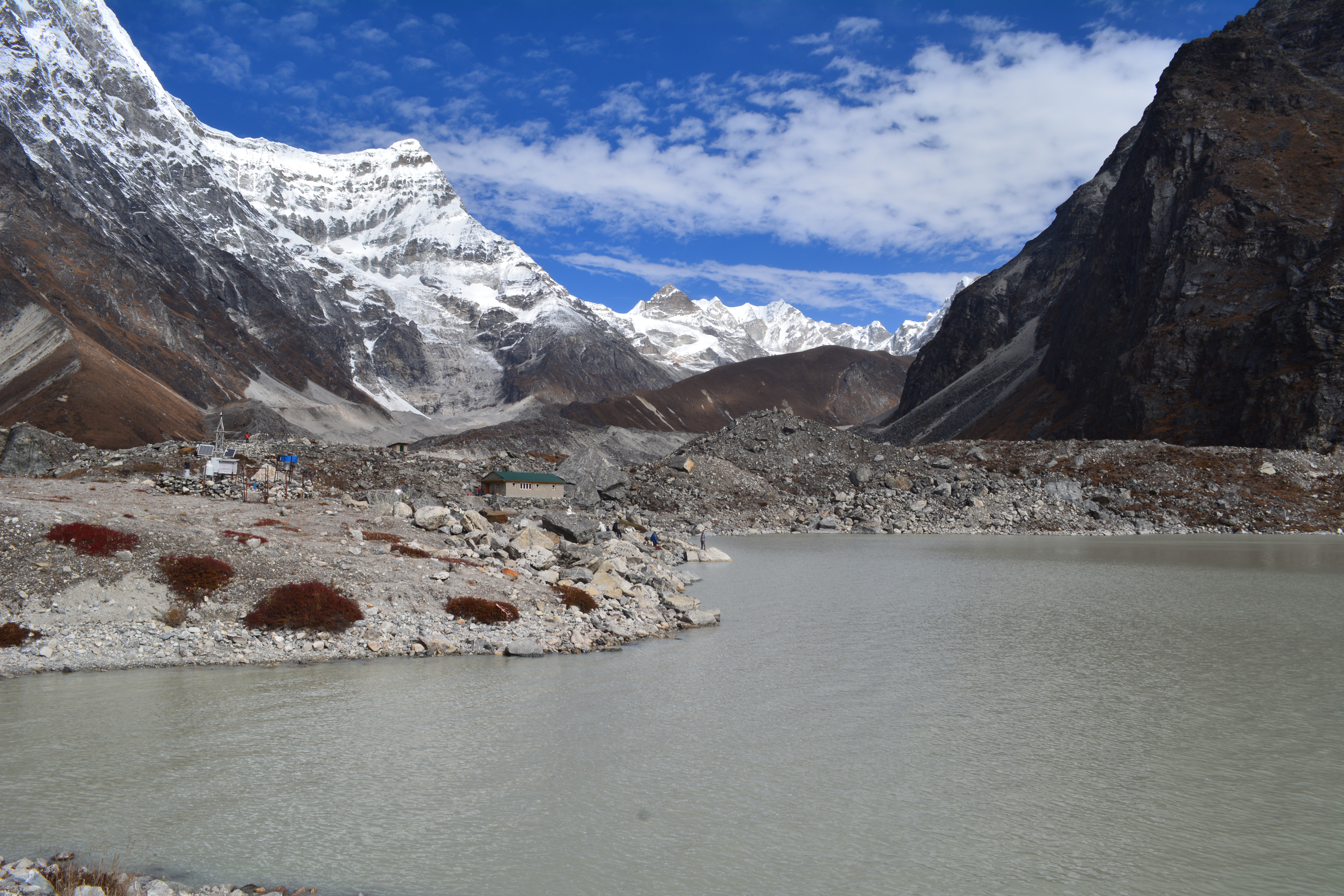
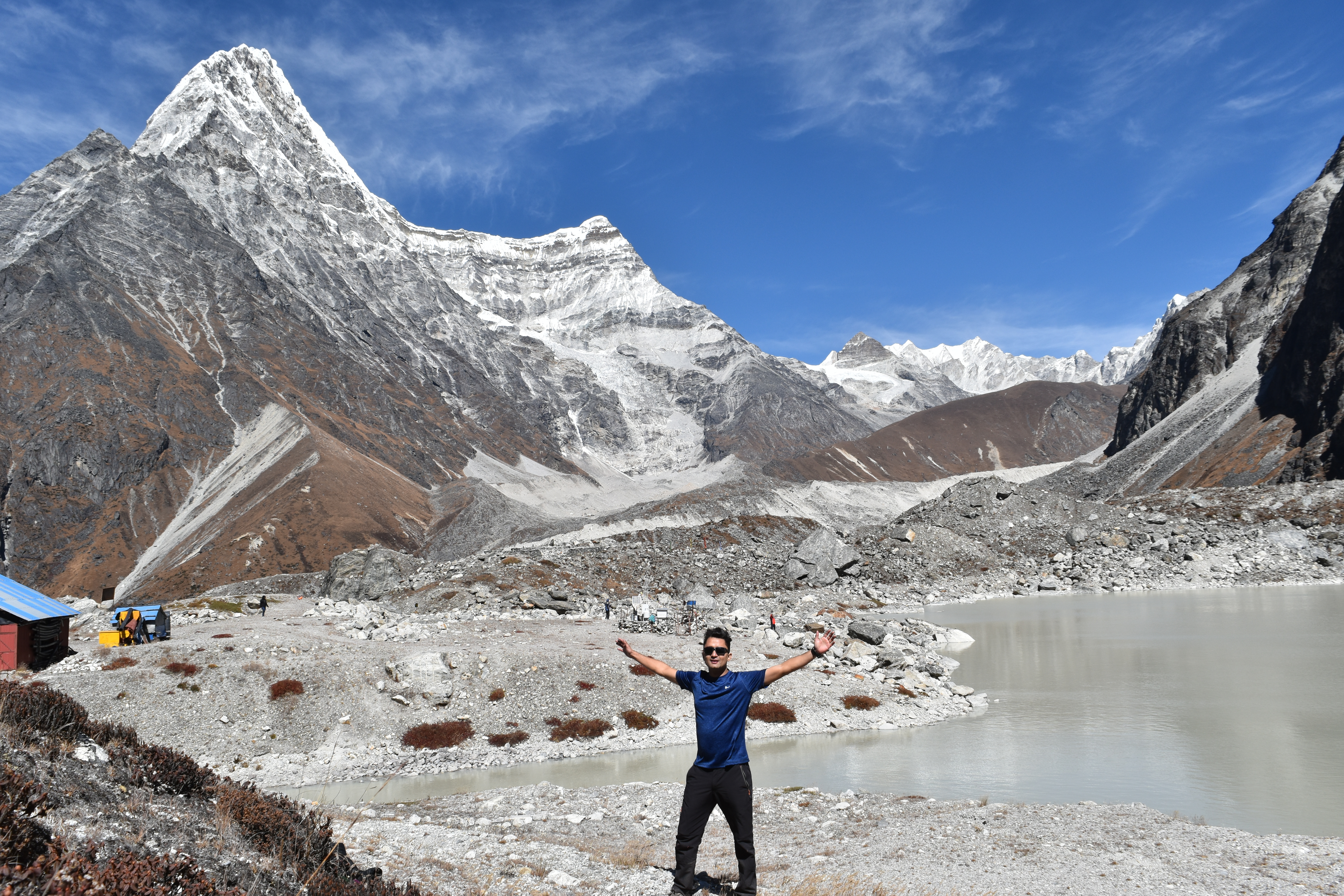
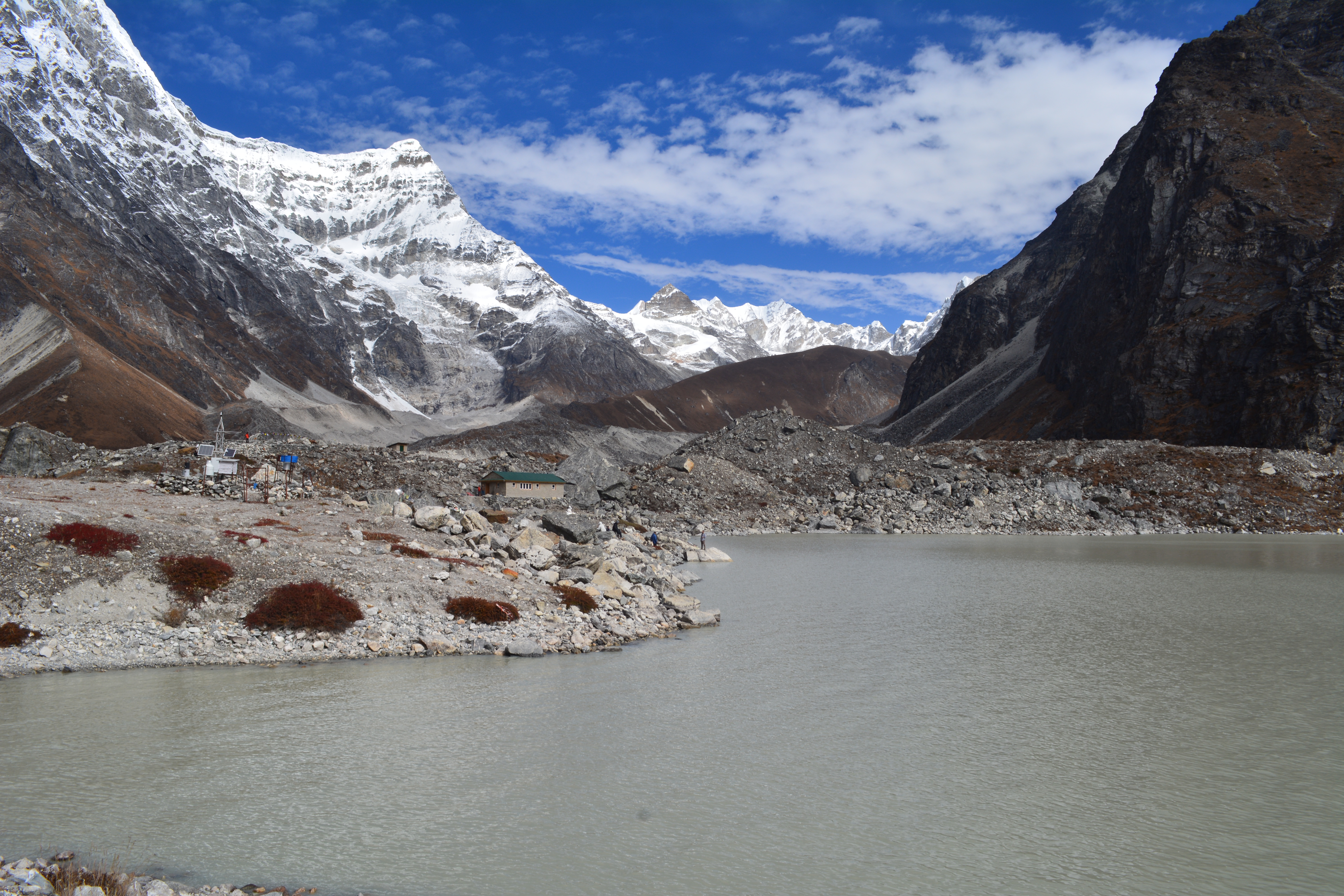
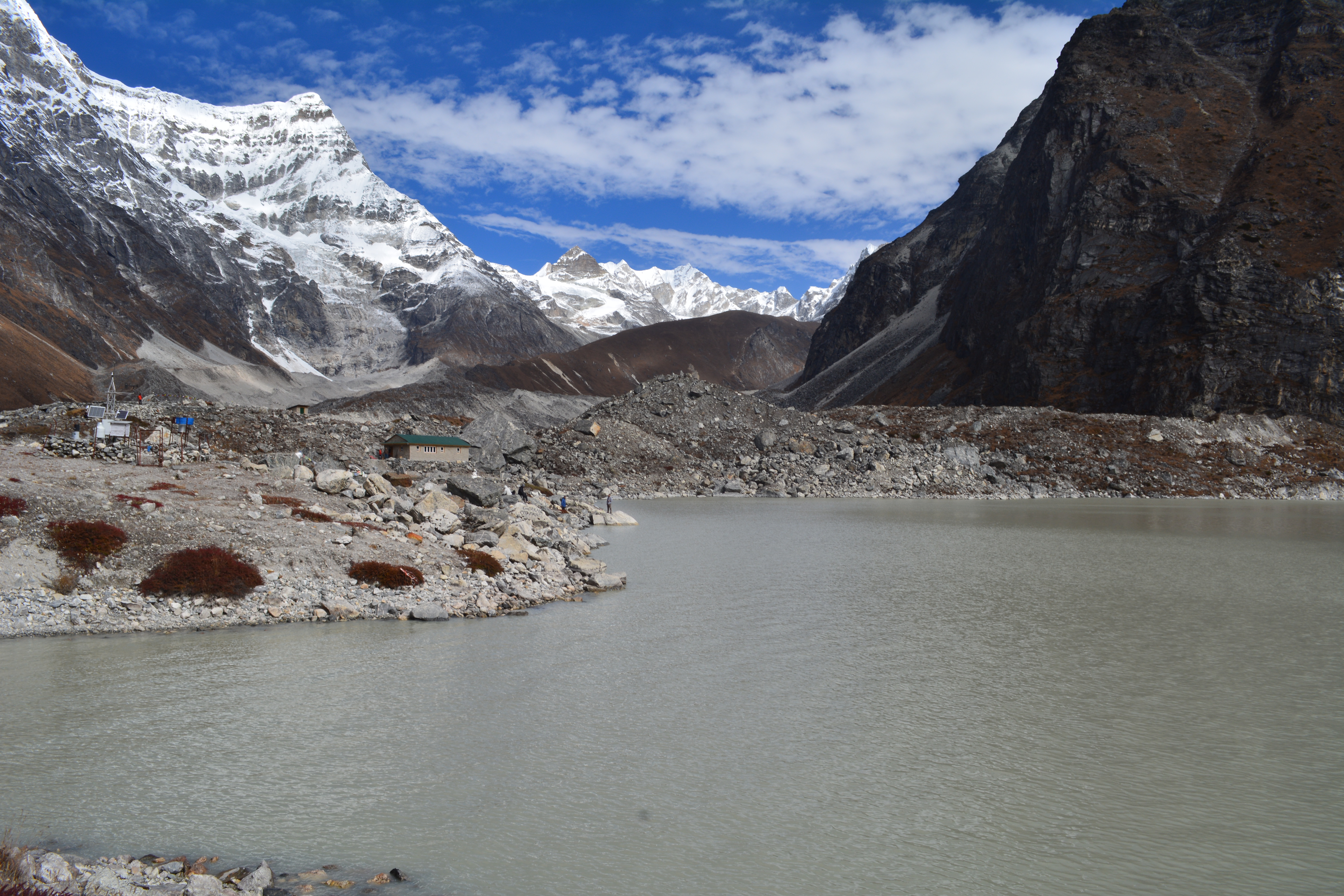
A highlight is Tsho Rolpa, one of Nepal's largest glacial lakes, set amid rugged Himalayan terrain. For the local Sherpa communities, Rolwaling is also a sacred Beyul, or hidden Buddhist sanctuary, adding a strong spiritual and cultural dimension to the journey.
Established in 2010, the Gaurishankar Conservation Area forms an important biodiversity corridor between Sagarmatha and Langtang National Parks. Its exceptional altitudinal range supports diverse forests, alpine ecosystems, and rich wildlife, while its villages reflect a blend of Sherpa, Tamang, and other Himalayan cultures.
Highlights
The key moments, landscapes, and cultural encounters of this journey.
Short Itinerary
Quick day-by-day outline with click-to-preview highlights.
Arrive in Kathmandu and settle into your hotel. The day is kept relaxed, allowing time to rest and prepare for the journey into the Rolwa...
A day to explore Kathmandu and prepare for the trek. We use the day to review the journey ahead, organize equipment, and introduce the cu...
We leave Kathmandu by road and drive for approximately 6–7 hours toward Chet-Chet. From here, the journey continues on foot through the h...
The trail climbs through lush forest and follows the Rolwaling River toward Dongeng. The changing vegetation, waterfalls, river valleys, ...
Today we move deeper into the Rolwaling Valley. The trail follows the river through increasingly alpine surroundings, with forests, cliff...
A day to slow down and experience Beding. Explore the traditional village, visit its old monastery, walk through the surrounding landscap...
After breakfast, we continue toward Na Gaun, the highest settlement on the trek. The trail gradually enters a more rugged alpine environm...
We set out early for Tsho Rolpa, trekking through the high-altitude landscape toward one of Nepal's significant glacial lakes. Along the ...
We begin our descent through the Rolwaling Valley, retracing the trail toward Dongeng. The changing altitude brings a noticeable transiti...
Continue downhill to Chet-Chet, where we meet our transport for the drive back to Kathmandu. The journey provides a final opportunity to ...
A free day to relax, explore Kathmandu, revisit places of interest, or simply reflect on the journey through Rolwaling.
Transfer to the airport for your onward journey, taking with you memories of the Rolwaling Valley, Tsho Rolpa, its landscapes, and the co...
Detailed Itinerary
Comprehensive day-by-day route details, altitude gains, and trail highlights.
Arrival in Kathmandu
Arrive in Kathmandu and settle into your hotel. The day is kept relaxed, allowing time to rest and prepare for the journey into the Rolwa...
Arrive in Kathmandu and settle into your hotel. The day is kept relaxed, allowing time to rest and prepare for the journey into the Rolwalin...
Arrive in Kathmandu and settle into your hotel. The day is kept relaxed, allowing time to rest and prepare for the journey into the Rolwaling Valley.
Kathmandu | Preparation & Orientation
A day to explore Kathmandu and prepare for the trek. We use the day to review the journey ahead, organize equipment, and introduce the cu...
A day to explore Kathmandu and prepare for the trek. We use the day to review the journey ahead, organize equipment, and introduce the cultu...
A day to explore Kathmandu and prepare for the trek. We use the day to review the journey ahead, organize equipment, and introduce the cultural and environmental significance of the Rolwaling region.
Kathmandu → Chet-Chet → Simi Gaun
We leave Kathmandu by road and drive for approximately 6–7 hours toward Chet-Chet. From here, the journey continues on foot through the h...
We leave Kathmandu by road and drive for approximately 6–7 hours toward Chet-Chet. From here, the journey continues on foot through the hill...
We leave Kathmandu by road and drive for approximately 6–7 hours toward Chet-Chet. From here, the journey continues on foot through the hills to Simi Gaun, our first village in the Rolwaling Valley. The transition from road to trail marks the beginning of our immersion in the landscape.
Simi Gaun → Dongeng
The trail climbs through lush forest and follows the Rolwaling River toward Dongeng. The changing vegetation, waterfalls, river valleys, ...
The trail climbs through lush forest and follows the Rolwaling River toward Dongeng. The changing vegetation, waterfalls, river valleys, and...
The trail climbs through lush forest and follows the Rolwaling River toward Dongeng. The changing vegetation, waterfalls, river valleys, and mountain environment gradually reveal the character of the inner Himalayan landscape. We spend the night in Dongeng, a small settlement beside the river.
Dongeng → Beding
Today we move deeper into the Rolwaling Valley. The trail follows the river through increasingly alpine surroundings, with forests, cliff...
Today we move deeper into the Rolwaling Valley. The trail follows the river through increasingly alpine surroundings, with forests, cliffs,...
Today we move deeper into the Rolwaling Valley. The trail follows the river through increasingly alpine surroundings, with forests, cliffs, waterfalls, and mountain views accompanying the journey. We arrive at Beding, one of the valley's important traditional Sherpa settlements.
Beding | Rest & Exploration
A day to slow down and experience Beding. Explore the traditional village, visit its old monastery, walk through the surrounding landscap...
A day to slow down and experience Beding. Explore the traditional village, visit its old monastery, walk through the surrounding landscape,...
A day to slow down and experience Beding. Explore the traditional village, visit its old monastery, walk through the surrounding landscape, and spend time learning about the Sherpa way of life and the spiritual traditions of the Rolwaling Valley. The rest day also allows the body to adapt to the increasing altitude before continuing higher.
Beding → Na Gaun
After breakfast, we continue toward Na Gaun, the highest settlement on the trek. The trail gradually enters a more rugged alpine environm...
After breakfast, we continue toward Na Gaun, the highest settlement on the trek. The trail gradually enters a more rugged alpine environment...
After breakfast, we continue toward Na Gaun, the highest settlement on the trek. The trail gradually enters a more rugged alpine environment as the valley narrows and the surrounding mountains become increasingly prominent. After reaching Na Gaun, we explore the settlement and its surroundings, with time to connect with local residents and experience life at this remote Himalayan altitude.
Na Gaun → Tsho Rolpa → Na Gaun
We set out early for Tsho Rolpa, trekking through the high-altitude landscape toward one of Nepal's significant glacial lakes. Along the ...
We set out early for Tsho Rolpa, trekking through the high-altitude landscape toward one of Nepal's significant glacial lakes. Along the way...
We set out early for Tsho Rolpa, trekking through the high-altitude landscape toward one of Nepal's significant glacial lakes. Along the way, we observe the changing landscape, glaciers, moraines, and surrounding peaks. At Tsho Rolpa, we explore the lake and learn about its significance, including the GLOF risk and climate-change challenges facing the region. We return to Na Gaun in the afternoon, followed by time to explore the village and visit its ancient monastery associated with Guru Padma Sambhava.
Na Gaun → Dongeng
We begin our descent through the Rolwaling Valley, retracing the trail toward Dongeng. The changing altitude brings a noticeable transiti...
We begin our descent through the Rolwaling Valley, retracing the trail toward Dongeng. The changing altitude brings a noticeable transition...
We begin our descent through the Rolwaling Valley, retracing the trail toward Dongeng. The changing altitude brings a noticeable transition in the landscape, from alpine terrain back into greener forests and river valleys. We spend the night in Dongeng.
Dongeng → Chet-Chet → Kathmandu
Continue downhill to Chet-Chet, where we meet our transport for the drive back to Kathmandu. The journey provides a final opportunity to ...
Continue downhill to Chet-Chet, where we meet our transport for the drive back to Kathmandu. The journey provides a final opportunity to app...
Continue downhill to Chet-Chet, where we meet our transport for the drive back to Kathmandu. The journey provides a final opportunity to appreciate the dramatic transition from the high Himalayan valley to Nepal's lower mountain landscapes.
Kathmandu | Free Day
A free day to relax, explore Kathmandu, revisit places of interest, or simply reflect on the journey through Rolwaling.
A free day to relax, explore Kathmandu, revisit places of interest, or simply reflect on the journey through Rolwaling.
A free day to relax, explore Kathmandu, revisit places of interest, or simply reflect on the journey through Rolwaling.
Departure
Transfer to the airport for your onward journey, taking with you memories of the Rolwaling Valley, Tsho Rolpa, its landscapes, and the co...
Transfer to the airport for your onward journey, taking with you memories of the Rolwaling Valley, Tsho Rolpa, its landscapes, and the commu...
Transfer to the airport for your onward journey, taking with you memories of the Rolwaling Valley, Tsho Rolpa, its landscapes, and the communities that call this sacred valley home.
Route Maps, Difficulty & Safety Preparation
Rolwaling is a remote Himalayan journey with changing weather, steep trails, and increasing altitude. Mountain Mandala places emphasis on responsible preparation, gradual acclimatization, local guidance, and informed decision-making throughout the journey.
-
Altitude: The trek reaches approximately 4,183 m, so acclimatization and a gradual pace are important.
- Weather: Mountain weather can change quickly. The itinerary may be adjusted when necessary for safety.
- Trail Conditions: Trails can include steep sections, rocky terrain, river crossings, and uneven surfaces.
- Remote Environment: Medical facilities are limited in the upper valley. Our team carries a first-aid kit and follows appropriate emergency procedures.
- GLOF Awareness: Tsho Rolpa is a glacial lake with known GLOF risk. Visits are conducted with attention to current conditions and local guidance.
- Local Expertise: The journey is supported by experienced local guides familiar with the terrain, communities, and changing mountain conditions.
Gallery
Mountain Mandala Community & Sustainability
Rolwaling is not simply a mountain landscape; it is a living cultural and ecological environment shaped by generations of Sherpa communities. Our journey aims to ensure that travel contributes positively to the people and places we visit.
- Local Communities — Stay in locally owned teahouses and engage with communities in villages such as Beding and Na Gaun.
- Local Employment — Work with local guides, porters, cooks, and service providers, helping tourism support livelihoods in the valley.
- Cultural Respect — Respect local customs, monasteries, sacred sites, and the spiritual significance of the Rolwaling Beyul.
- Environmental Responsibility — Minimize waste, reduce single-use plastics, conserve water, and follow responsible trekking practices.
- Conservation & Awareness — Encourage understanding of the valley's biodiversity, fragile alpine ecosystems, glaciers, and climate-related risks.
- Leave No Trace — Travel thoughtfully, stay on established trails, avoid disturbing wildlife, and leave the landscape as we found it.
FAQs
Frequently asked questions about route preparation, altitude, permits, and travel details.
Is the Rolwaling Trek difficult?
Rolwaling is considered a moderate Himalayan trek. The maximum elevation is around 4,183 m, and the route includes several days of continuous walking on uneven mountain trails.
Is acclimatization included?
Yes. The itinerary includes a rest and exploration day in Beding, allowing participants time to adjust to the increasing altitude before continuing toward Na Gaun and Tsho Rolpa.
Can beginners join?
The trek can be suitable for reasonably fit first-time trekkers who are prepared for several hours of walking each day. Previous high-altitude trekking experience is helpful but not essential.
What is special about Tsho Rolpa?
Tsho Rolpa is not only a spectacular glacial lake but also an important site for understanding glacial change, climate risk, and GLOF preparedness in the Himalayas.
What makes Rolwaling culturally significant?
The valley is regarded by local Sherpas as a Beyul, a sacred hidden valley within Himalayan Buddhist traditions. Its monasteries, sacred landscapes, and living traditions form an important part of the journey.
Is this trek suitable for educational or research groups?
Yes. The combination of climate change, glacial hydrology, biodiversity, indigenous knowledge, anthropology, and conservation makes Rolwaling particularly suitable for universities, schools, research groups, and experiential learning programs.