Project Detail
Nepal Himalayan Odyssey GHT- Nepal
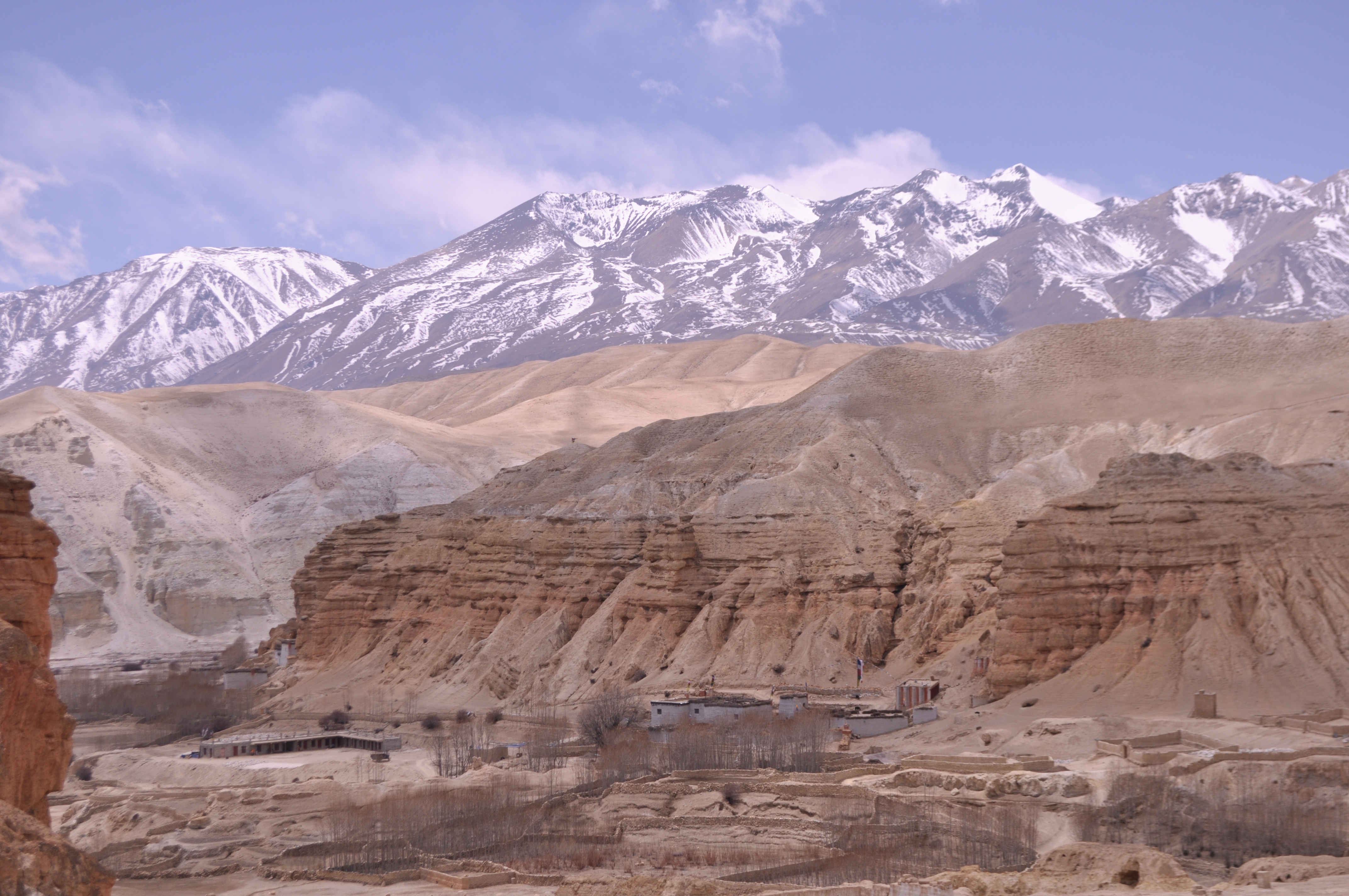
We are exploring, documenting and promoting one of the world’s great mountain journeys across Nepal. A 1700 Km long trail from Kanchenjunga in the east to Hilsa and Limi Valley in Humla in the west Nepal.
The Nepal Himalayan Odyssey GHT- Nepal crossing some of the country’s most remote and diverse mountain landscapes. This is more than a long-distance walk. It is a chance to experience the Himalaya closely walking through villages, crossing high mountain passes, meeting local people, listening to their stories and seeing how life is changing.
Along the journey, we will document the trails, villages, cultures, biodiversity, traditional livelihoods and everyday lives of communities along the Himalayan corridor. We will also look at how roads, infrastructure, migration, climate change and changing tourism are shaping these places.
The Great Himalayan Trail is one of the longest and highest trekking routes in the world. This trail is 4500km long and passes through 5 countries in the Himalayan range. This trail passes through Mountain ecology, Indigenous cultures, Ancient settlements, Traditional livelihoods and Climate-sensitive environments. The Great Himalaya range extends from Nanga Parbat in Jammu and Kashmir to Namche Barwa in Tibet, thus passing through India, Nepal, Bhutan and Tibet. The name Great Himalayan Trail is coined and promoted by Australian -British trekker and researcher Robin Boustead.
The Nepal section forms approximately 1,700 km of this wider Himalayan corridor.
Highlight
on the Nepal section:
- Length: approximately
1,700 km
- Direction: East Nepal
to West Nepal
- Starting
point: Kanchenjunga
- Ending
point: Hilsa/Limi
Valley, Humla
- Duration: 100+ days
- Terrain: high
mountain passes, glaciers, valleys, remote villages
Mountain Mandala sees this journey as an opportunity to bring different people, perspectives and knowledge together. Local communities, guides, researchers, educators, tourism professionals, conservationists, government institutions, photographers, filmmakers and travelers can all contribute to a better understanding of the Himalaya.
Through walking, conversations, observation, photography, film, mapping and stories, we will create and share knowledge about the Great Himalayan Trail — making the journey useful not only to those who walk it, but also to communities, travelers, educators, researchers and others who care about the future of the Himalaya.
• How has the road network impacted the longest trekking trail? What can be done to reconnect?
• How climate change is affecting Himalayan ecosystems
• How responsible tourism can support future generations
• Highlight the 4 A of tourism in the Area
• Environmental hazard assessment
• Data on available medical facilities and quick response locations
From expedition to evidence is about documenting what is changing, listening to the people who live there, learning from different perspectives.
Project Activities
About Us